03 Nov BRIEF ON THE APSTA – BPSTA PARTNERSHIP ENGAGEMENT MEETING
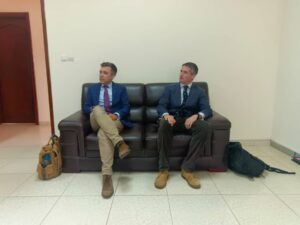
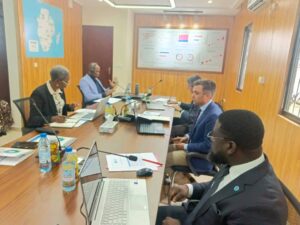
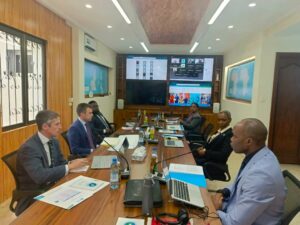
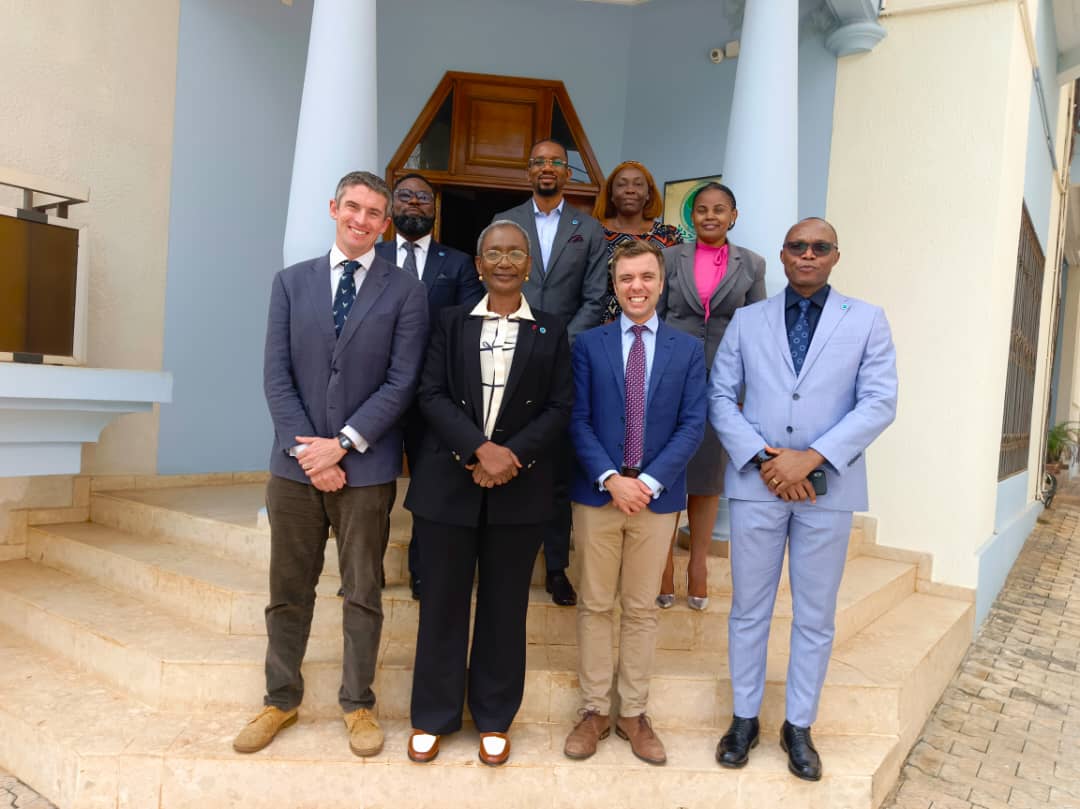
On Thursday, 19th June 2025, the African Peace Support Trainers Association (APSTA) received a delegation from the British Peace Support Team-Africa (BPSTA) for a strategic partnership meeting at the Secretariat in Yaoundé, Cameroon. Nine (9) Member Institutions and their accredited representatives joined the meeting virtually. These included: RPA-Rwanda, IPSTC-Kenya, NDC-Nigeria, ACCORD-South Africa, IPSS-Ethiopia, KAIPTC-Ghana, EIFORCES, and IRIC-Cameroon.
The central theme of the meeting was “Addressing Capacity-Related Challenges Beyond the Mandate of Individual Training Institutions in Africa Through Partnership.”
The Executive Secretary, Dr. Cecile OYONO THOM, welcomed all participants and emphasized the importance of forging stronger partnerships that leverage available support to advance the Peace Support Operations (PSO) agenda on the African continent. The BPSTA delegation, led by Lt. Col. Michael Finnie and supported by Major Ollie Porter, expressed their enthusiasm for the engagement. They underscored the need to fully understand the current gaps and challenges identified by APSTA and its Member Institutions, and to collaboratively prioritize strategic support avenues alongside other partners for a holistic and impactful partnership. Several questions and clarifications were addressed; all geared towards exploring potential partnership arrangements through APSTA and BPSTA.
The Deputy Executive Secretary, Mr. Christian C.M. ICHITE, who also coordinated the meeting, stressed the urgency of establishing these partnerships, especially in light of the evolving nature of conflicts on the continent. He presented a proposed partnership model designed to bring all stakeholders on board, clearly defined the model’s focus, and demonstrated its relevance to addressing continental security and peace support challenges. Mr. ICHITE passionately emphasized the need for practical solutions that offer fit-for-purpose training, strategic-level capacity building, comprehensive Continental Training Needs Assessments (TNA), and the systematic identification of lessons, best practices, gaps, and deficits. The proposed model seeks to establish both tactical and financial partnerships capable of effectively addressing these challenges.
Virtual participants strongly supported the initiative and expressed their readiness to explore the proposed partnership model further, extending collaboration beyond the Secretariat level through joint efforts. In total, eighteen (18) participants attended the meeting. The Secretariat expressed profound gratitude for the fruitful engagement and reaffirmed its commitment to driving the partnership agenda to successful realization.