06 Nov VISIT TO APSTA: Showcasing APSTA’s institutional mandate and contributions
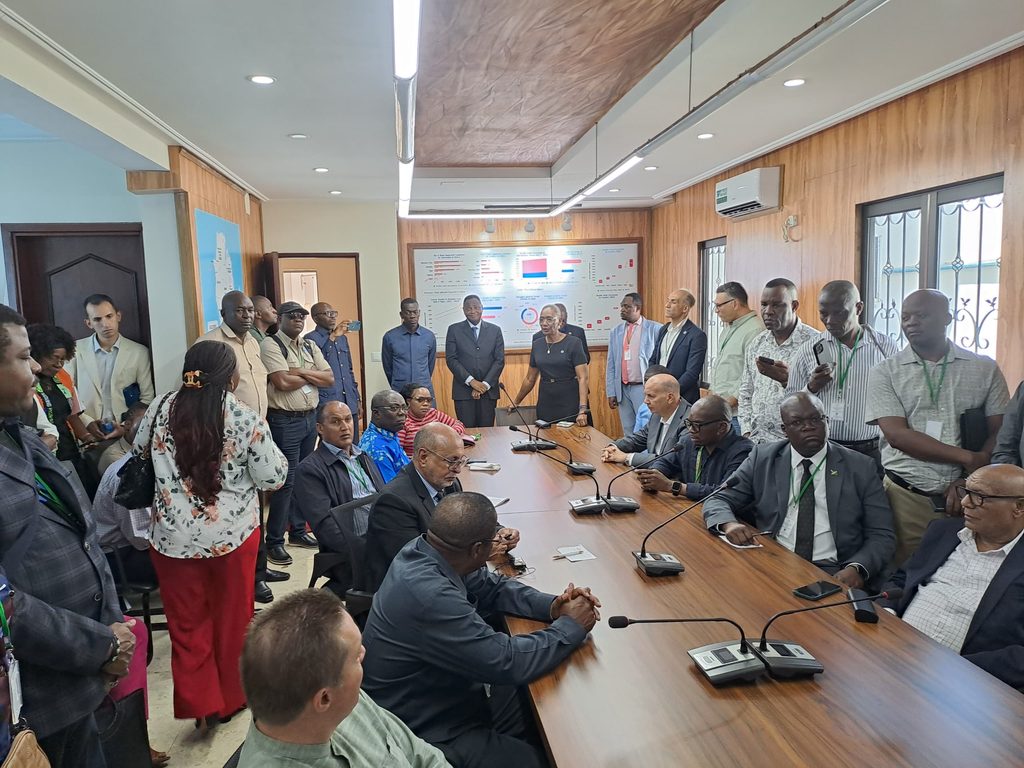
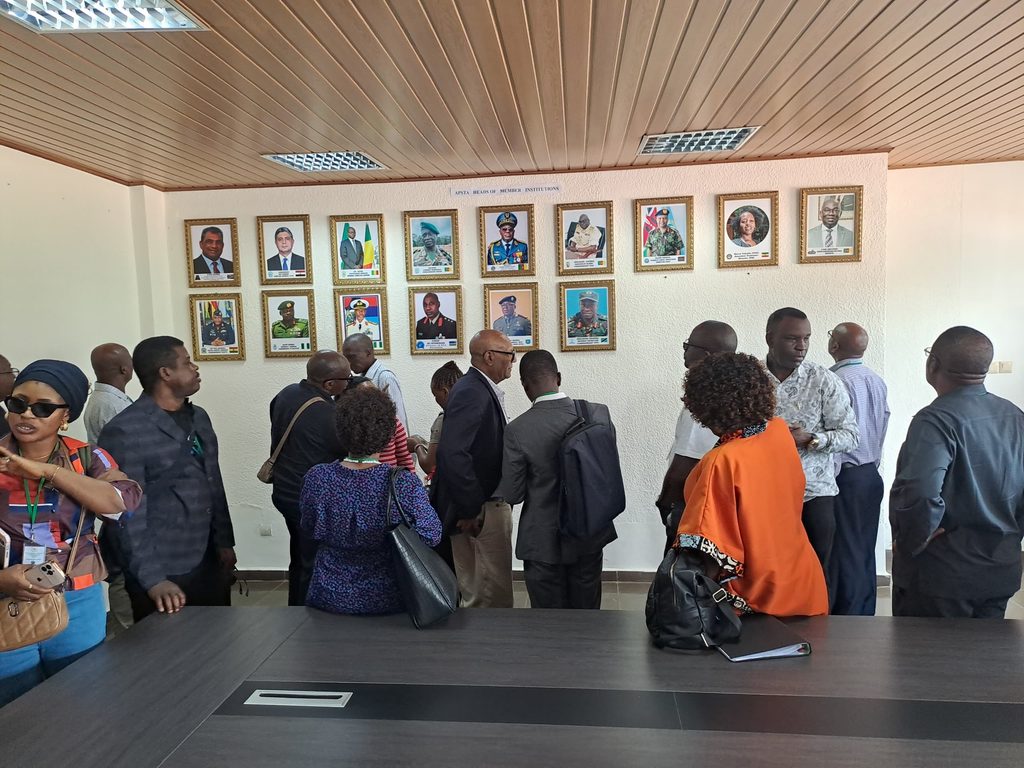
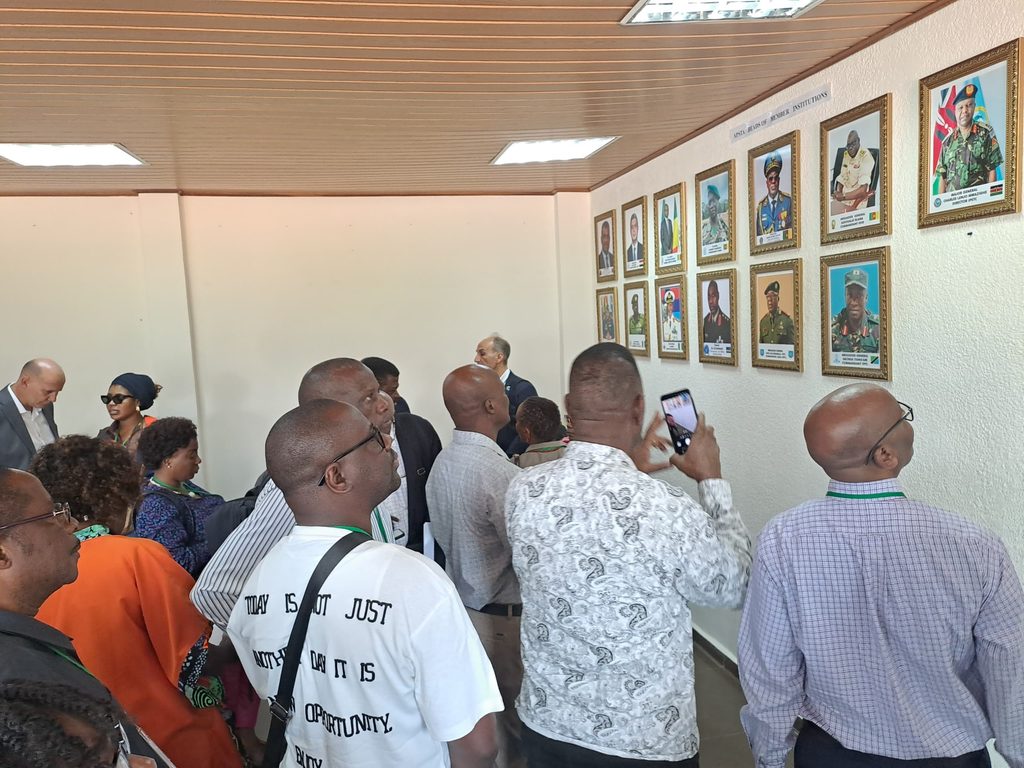
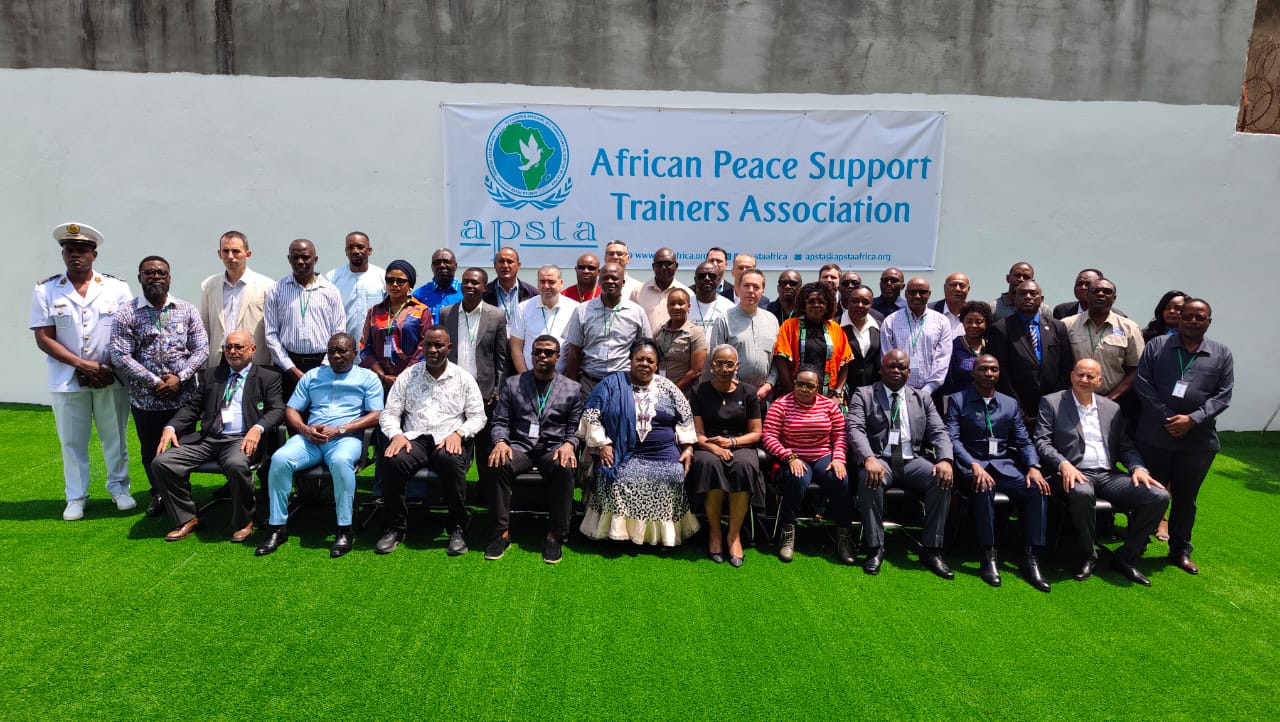
An equally significant highlight of the 18th African Standby Force-Training Implementation Workshop was the opportunity for delegates to visit and tour the APSTA Secretariat located at the heart of Yaoundé, Golf. The visit provided an important platform to acquaint participating experts and representatives with APSTA’s institutional mandate, organizational structure, operational activities and strategic contributions to the development of peace support operations training in Africa. During the engagement, we had the opportunity to take delegates through APSTA’s core functions, membership composition, programme pillars, key interventions, partnerships and collaborative initiatives with the African Union, RECs, RMs, Training Centers of Excellence and other strategic stakeholders. The interaction also provided an opportunity to highlight APSTA’s role as a continental platform for strengthening training coordination, promoting professional development, facilitating knowledge exchange and advancing partnerships among peace support training institutions. It was particularly encouraging to engage directly with representatives of the regional mechanisms and training institutions, further reinforcing the importance of institutional collaboration, shared ownership and collective responsibility in advancing the ASF training agenda.
Looking ahead: One important reflection from the workshop is that the effectiveness of the ASF depends not only on policies and institutional structures but also on the capacity to translate continental directives into harmonized, practical and measurable training outcomes. Building a responsive and future-ready African peace support training architecture will require stronger institutional partnerships, evidence-based training needs assessments, common standards, sustained investment in training institutions and the strategic application of technology and innovation. Africa’s peace and security priorities demand not only prepared forces, but also stronger institutions, shared knowledge and innovative training systems.