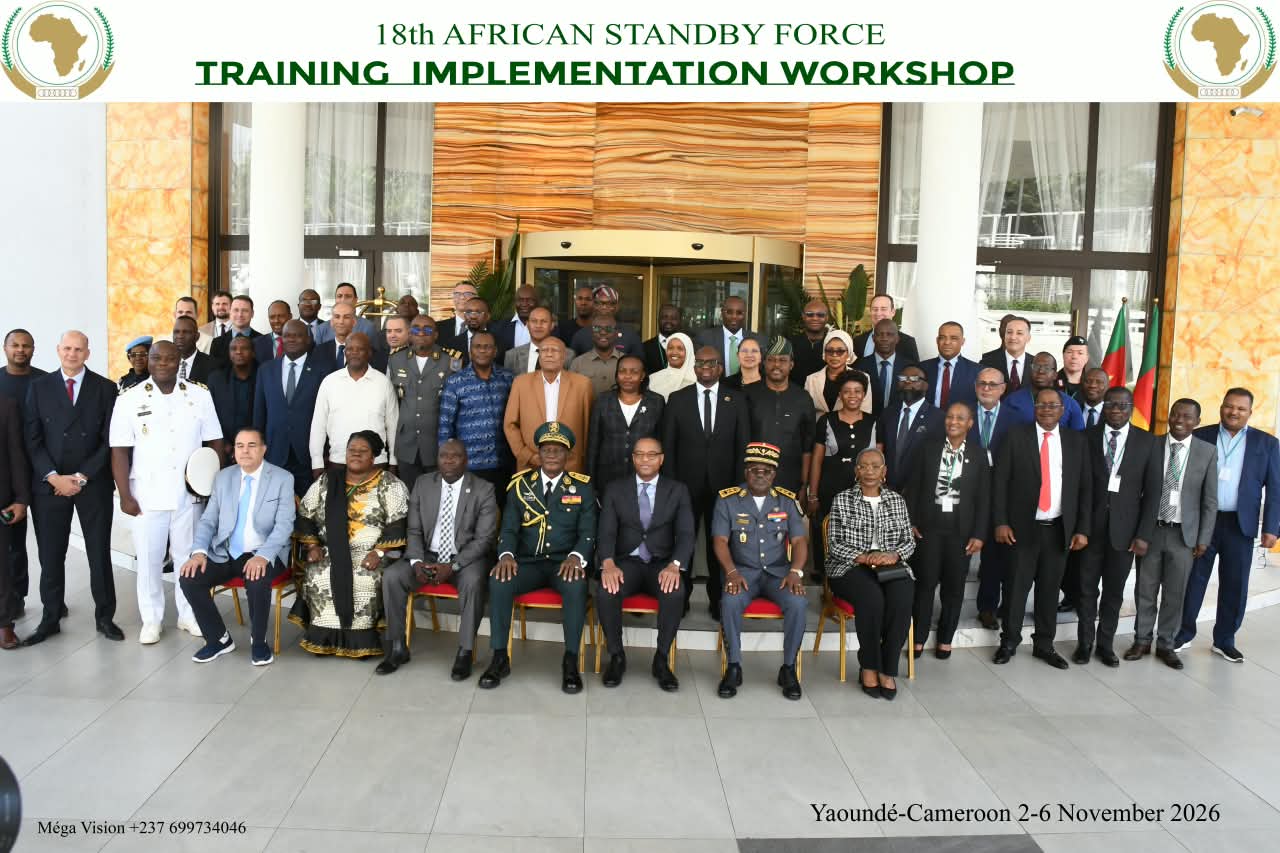
06 Nov 18TH AFRICAN STANDBY FORCE – TRAINING IMPLEMENTATION WORKSHOP
Advancing Africa’s Peace Support Operations Training Architecture: Reflections from the 18th ASF Training Implementation Workshop, Yaoundé, Cameroon
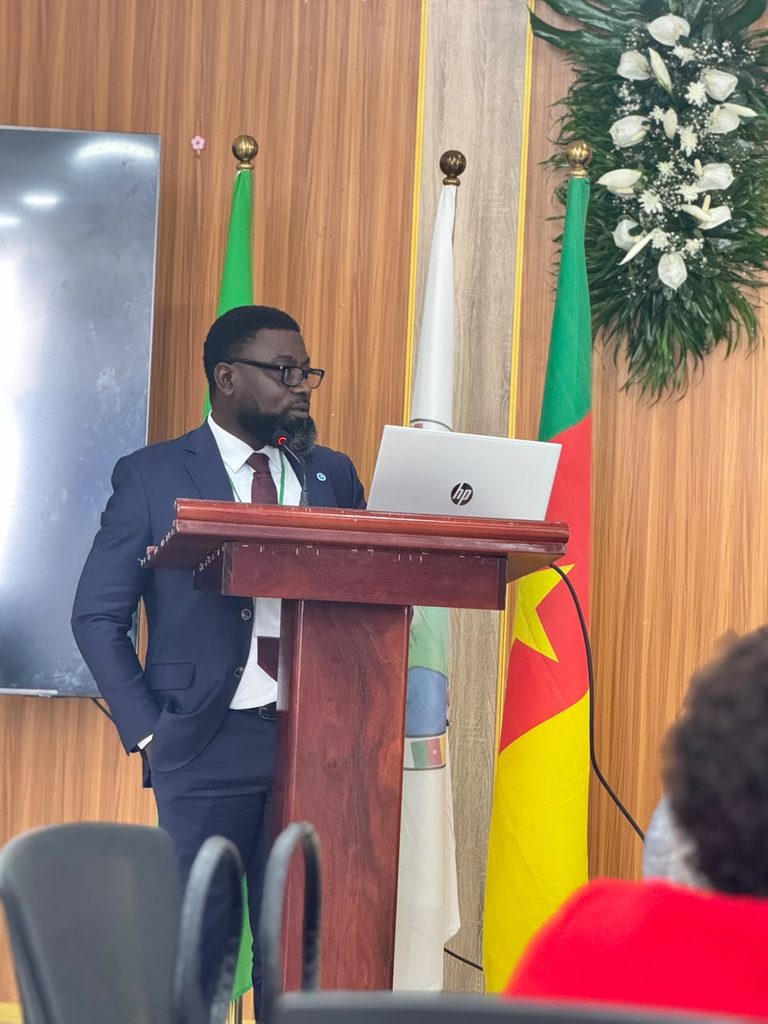
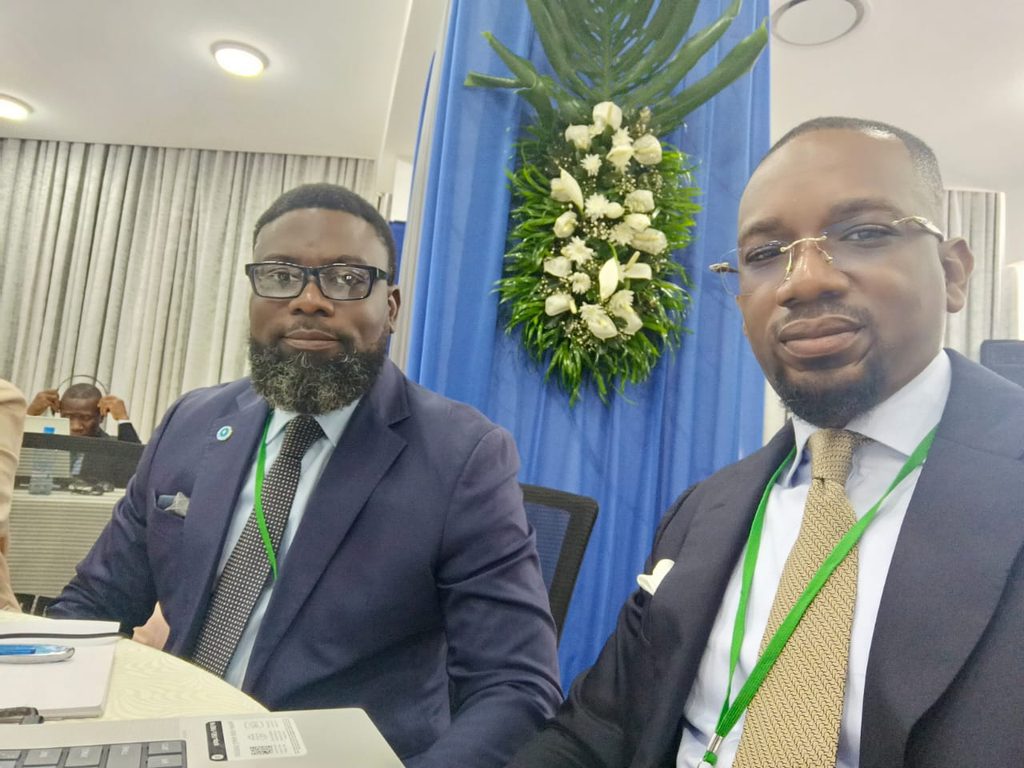
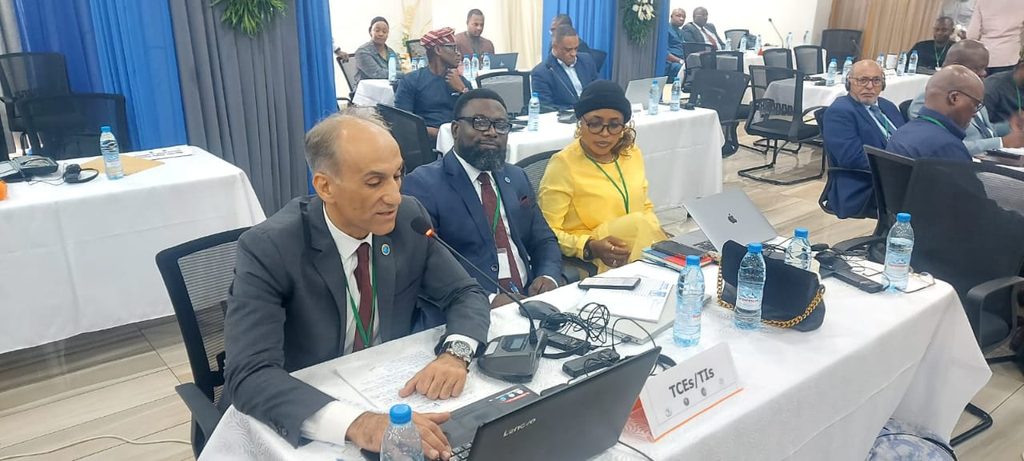
African Peace Support Trainers Association (APSTA) was represented at the at the 18th African Standby Force (ASF) Training Implementation Workshop, convened by the African Union Peace Support Operations Division (AU PSOD) in Yaoundé, Cameroon by the Executive Secretary Dr. Cecile OYONO, Dr. Alexander Odartey Lamptey, ICT and Knowledge Manager, and Mr. Ibrahim Mouko Aoudi.
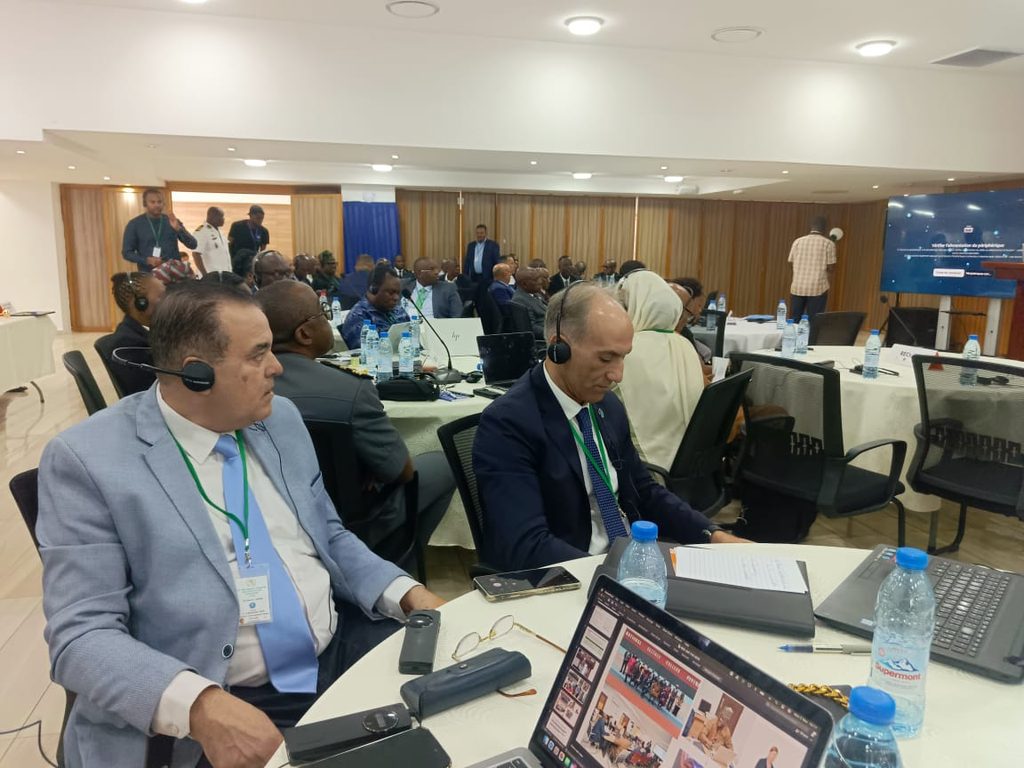
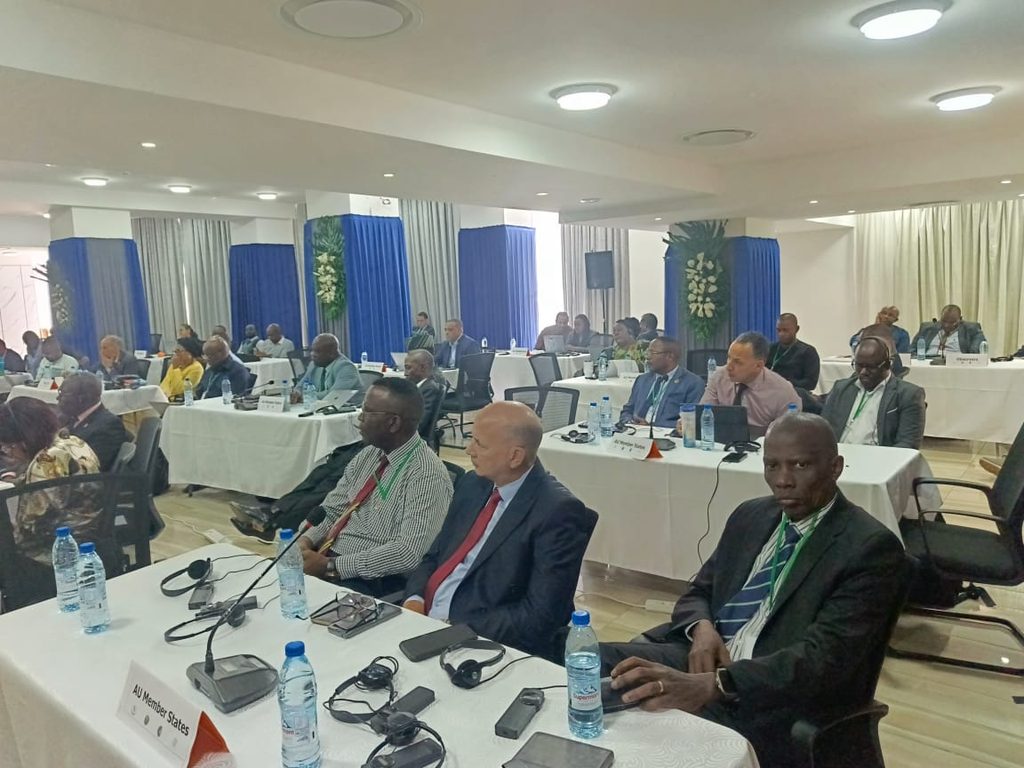
The workshop brought together a diverse assembly of military, police and civilian experts, senior officials, policy officers and training practitioners representing the Regional Economic Communities (RECs), Regional Mechanisms (RMs), and Training Centres of Excellence (TCEs), alongside other key stakeholders within Africa’s peace support operations architecture. The engagements provided an important platform to review progress, assess implementation challenges and make strategic recommendations on ASF training policies, directives, standards and institutional frameworks. Discussions also explored critical priorities, including:
- Strengthening the implementation of the ASF Training Policy and associated training directives.
- Harmonizing training standards, curricula and quality assurance frameworks across RECs, RMs and TCEs.
- Enhancing mission readiness, interoperability and multidimensional coordination among military, police and civilian components.
- Strengthening the capacity of Training Centres of Excellence and improving regional and continental training coordination.
- Identifying emerging training requirements in response to evolving peace and security threats, including counter-terrorism, complex emergencies and new operational realities.
- Exploring innovative approaches to training delivery, including digital learning, virtual training environments and accessible online and offline learning resources.
- Deepening collaboration, knowledge exchange and institutional partnerships across the African Peace and Security Architecture.
APSTA’s contribution and emerging priorities:
Dr. Alexander Odartey Lamptey updated the workshop on some of APSTA’s ongoing and proposed institutional initiatives aimed at strengthening the continental training ecosystem. These included:
- Continental Training Needs Assessment: Preparatory efforts towards a proposed continental assessment to systematically identify capability gaps, emerging training requirements and institutional capacity needs across the ASF training architecture.
- AU–APSTA Document Repository: Progress towards developing a conceptual framework for the design and implementation of a centralized document repository to facilitate the preservation, accessibility, exchange and management of AU and APSTA training policies, directives, standards, curricula and institutional knowledge.
- Digital Transformation and Knowledge Management: Exploring technology-enabled approaches to improve knowledge sharing, institutional memory, information accessibility and coordination among RECs, RMs and TCEs.
- Innovative Training Delivery: Promoting approaches that extend beyond conventional classroom-based training, particularly the development of digital training packages that can be deployed through both online and offline platforms to expand accessibility, continuity and learning opportunities.
These initiatives reflect APSTA’s commitment to supporting the African Union and its regional partners in strengthening training coordination, institutional capacity, knowledge management and the operational readiness of the ASF.